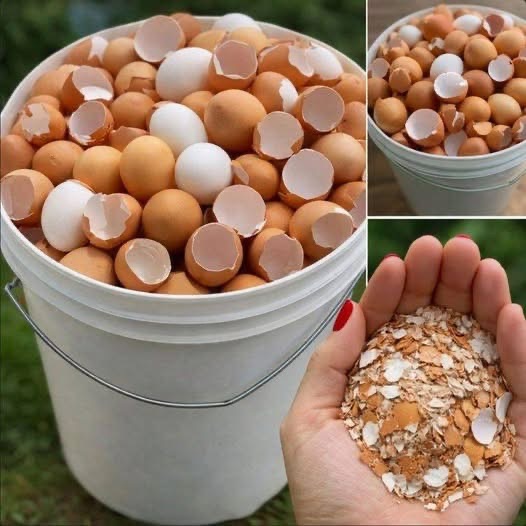
Eggshells are about 95% calcium carbonate—the same compound found in limestone, a common garden lime. Calcium is essential for plant cell walls, root development, and disease resistance.
How to use: Grind dried eggshells into a fine powder using a coffee grinder or food processor. Sprinkle the powder into your garden soil or potting mix before planting. For established plants, work the powder into the top inch of soil.
Best for: Tomatoes, peppers, eggplants, and other fruiting plants that are prone to blossom end rot (a calcium deficiency).
2. Slug and Snail Barrier
Soft-bodied pests like slugs and snails hate crawling over sharp, jagged surfaces. Crushed eggshells create a natural barrier they won’t cross.
How to use: Crush dried eggshells into small, sharp pieces (not powder). Sprinkle a ring around the base of vulnerable plants. Reapply after rain.
Best for: Hostas, lettuce, strawberries, and other slug favorites.
3. Boost for Compost
Eggshells add calcium and other trace minerals to your compost pile. They also help balance the pH of acidic compost materials (like coffee grounds and fruit scraps).
How to use: Crush eggshells before adding to your compost (whole shells break down very slowly). Rinse them first to avoid attracting pests.
Pro tip: Dry eggshells in the sun or oven before crushing for compost. Wet shells can get moldy.
4. Seed Starting Pots
This is one of my favorite tricks. Eggshell halves make perfect biodegradable seed starters.
How to use: Crack eggs carefully near the top, leaving most of the shell intact. Rinse and sterilize by baking at 200°F for 10 minutes. Poke a small drainage hole in the bottom with a pin. Fill with potting soil, add seeds, and water. When seedlings are ready to transplant, crush the shell and plant the whole thing in the ground.
Best for: Small seeds like basil, lettuce, and flowers.
5. Deterrent for Deer (Yes, Really)
Deer dislike the smell of egg protein. Crushed eggshells scattered around plants can help keep deer away.
How to use: Scatter crushed eggshells around vulnerable plants. Reapply after rain.
Best for: Gardens in deer-heavy areas (though this works best alongside other deterrents).
Around the House (5 Surprising Hacks)
Eggshells aren’t just for the garden. Here’s how to use them indoors.
6. Gentle Abrasive Cleaner
Powdered eggshells are mildly abrasive but won’t scratch most surfaces. They’re perfect for scrubbing stubborn pots, pans, and sinks.
How to use: Grind eggshells into a fine powder. Mix with a little dish soap to form a paste. Scrub, then rinse thoroughly.
Best for: Stainless steel sinks, cast iron (re-season after), stubborn baked-on food.
7. Coffee Taste Improver (Wait, What?)
This one sounds crazy, but it works. Eggshells help neutralize the bitterness in old or low-quality coffee.
How to use: Rinse and dry a few eggshells. Crush them into small pieces. Add to your coffee grounds before brewing. The calcium carbonate in the shells neutralizes some of the acids that cause bitterness.
Pro tip: Use about one eggshell per pot of coffee. Rinse the shell thoroughly first.
8. Drain Cleaner and Deodorizer
Small eggshell pieces can help scrub your pipes as they travel through, loosening grease and food particles. The eggshells also absorb odors.
How to use: Crush a handful of eggshells into small pieces. Run hot water, then add the shells. Follow with more hot water. The shells will help scrub the inside of your pipes.
Important: Do not use this method if you have a garbage disposal (the shells can dull the blades). For disposals, see below.
9. Garbage Disposal Sharpener and Freshener
For garbage disposals, eggshells serve a different purpose. They help clean the grinding components and freshen odors.
How to use: Drop a handful of crushed eggshells into the disposal while running cold water. Turn on the disposal. The shells will help scour away food residue and neutralize odors.
Pro tip: Follow with a few citrus peels for a fresh, clean smell.
10. DIY Chalk Paint
Want a matte, vintage finish on furniture or decor? Powdered eggshells can be used to create homemade chalk paint.
How to use: Grind eggshells into a very fine powder. Mix 1 tablespoon shell powder with 1 cup latex paint. Stir well. Use as you would any chalk paint.
Best for: Small furniture projects, picture frames, decorative items.
For Your Skin and Health (3 Natural Remedies)
Eggshells aren’t just for your home—they can also be used in your beauty routine.
11. Calcium Supplement (For Plants AND People)
Eggshell powder is a natural source of calcium for humans too. A teaspoon of finely ground eggshell powder contains about 800-1,000 mg of calcium (nearly a full day’s supply).
How to use: Grind eggshells into the finest powder possible (a coffee grinder works best). Add ½ teaspoon to smoothies, yogurt, or oatmeal. Start with a small amount and work up.
Important safety note: Sterilize eggshells first by boiling for 5 minutes or baking at 200°F for 10 minutes. This kills any bacteria (including salmonella). Talk to your doctor before adding any supplement to your routine.
12. Exfoliating Face and Body Scrub
Finely ground eggshells make a gentle, natural exfoliant that removes dead skin cells without microplastics.
How to use: Grind eggshells into a fine powder. Mix with equal parts coconut oil or honey. Gently massage onto damp skin in circular motions. Rinse thoroughly.
Pro tip: For a simple face scrub, mix 1 teaspoon eggshell powder with 1 teaspoon plain yogurt.
13. Soothing Skin Mask for Irritation
Eggshell membrane (the thin layer inside the shell) contains collagen and other compounds that may help soothe skin irritation.
How to use: After cracking an egg, carefully remove the membrane from the shell. Apply the sticky side directly to minor cuts, scrapes, or irritated skin. Let it dry, then peel off. The membrane acts as a natural bandage.
Note: Only use on clean, minor wounds. For anything serious, seek medical attention.
For Your Pets (2 Helpful Uses)
Your furry friends can benefit from eggshells too.
14. Calcium Boost for Home-Cooked Pet Food
If you make homemade dog or cat food (under veterinary guidance), eggshell powder is an excellent natural calcium source.
How to use: Grind sterilized eggshells into a very fine powder (coffee grinder). Add ½ teaspoon per pound of homemade food. Mix thoroughly.
Important: Always consult your veterinarian before adding supplements to your pet’s diet. Too much calcium can be harmful.
15. Natural Wormer for Chickens (If You Have Backyard Hens)
If you keep chickens, crushed eggshells serve two purposes: they provide calcium for stronger eggshells, and the sharp edges may help control internal parasites.
How to use: Dry and crush eggshells (not powder—small, sharp pieces). Offer in a separate dish for your hens to eat as they need.
Pro tip: Bake the shells at 200°F for 10 minutes first to kill any bacteria before feeding them back to your chickens.
For Arts, Crafts, and DIY (2 Creative Ideas)
Eggshells have a long history in art. Here’s how to use them today.
16. Mosaic Art and Decoupage
Crushed eggshells create a beautiful, textured mosaic effect on picture frames, flower pots, or canvases.
How to use: Dye eggshell pieces with food coloring (optional). Apply glue to your surface. Press shell pieces into the glue, leaving small gaps. Seal with a clear varnish.
Best for: Picture frames, small boxes, terra cotta pots, greeting cards.
17. DIY Chalk for Sidewalk Art
This is a fun project to do with kids. Eggshell chalk is surprisingly effective on sidewalks and driveways.
How to use: Grind sterilized eggshells into a very fine powder. Separate into bowls. Add food coloring to each bowl. Add a small amount of water to form a thick paste. Shape into “chalk sticks” using silicone molds or rolled paper tubes. Let dry for 3-4 days.
Best for: Sidewalk drawing, driveway art, kids’ birthday party activities.
What NOT to Do with Eggshells (Important Safety Tips)
Before you go wild saving every eggshell, a few warnings.
Don’t feed raw eggshells to pets. Roaw shells can contain salmonella. Always bake or boil them first.
Don’t use eggshells in your disposal if you have septic issues. Some plumbers warn that eggshells can create a paste-like sludge in septic systems. Check with your plumber if you’re unsure.
Don’t add whole eggshells to compost. They break down very slowly. Always crush them.
Don’t use eggshell powder for calcium without sterilizing first. Raw eggshells can carry bacteria. Always bake or boil.
Don’t use eggshells as a sole fertilizer. They’re great for calcium but lack other essential nutrients (nitrogen, phosphorus, potassium). Use alongside compost or balanced fertilizer.
How to Store Your Eggshell Collection
If you’re going to save eggshells, do it without attracting pests or creating a mess.
The freezer method (best for small batches): Rinse eggshells, let them dry slightly, then place in a freezer bag or container. Add to the bag as you use eggs. When the bag is full, dry and crush them all at once.
The counter method (if you go through eggs quickly): Keep a small bowl or jar on your counter. Add rinsed eggshells. Process them every few days before they start to smell.
The drying method (for bulk storage): Rinse eggshells. Bake at 200°F for 10 minutes. Once cool, crush or grind. Store in a sealed jar in your pantry indefinitely.
Frequently Asked Questions
Do eggshells attract pests?
If you rinse them well and store them properly (frozen or fully dried), they won’t attract pests. Wet, unrinsed shells in an open container will attract fruit flies and rodents.
What’s the best way to grind eggshells into powder?
A coffee grinder dedicated to non-coffee items works perfectly. A high-speed blender (Vitamix) also works. A food processor leaves larger chunks.
How many eggshells do I need to save?
For garden use, save as many as you use. For calcium supplements, one eggshell per day provides about 800-1,000 mg of calcium.
Can I use boiled eggshells?
Yes. Boiled eggshells are sterilized and safe to use. The boil may make them slightly more brittle, which is fine.
Do colored eggshells (blue, green, brown) work the same?
Yes. The color comes from the breed of chicken, not from a different composition. All eggshells are primarily calcium carbonate.
Can I use eggshells in my compost if I have a worm bin?
Earthworms can digest eggshells, but grind them into a fine powder first. Large pieces can irritate worms.
A Final Scrambled Thought
Here’s what I’ve learned from my eggshell-saving journey.
The things we throw away are often the things we need most. Eggshells are free, abundant, and incredibly versatile. They can feed your garden, clean your kitchen, brighten your coffee, and even become art.
All it takes is a small change. A bucket on the counter. A rinse under the tap. A few minutes of drying and crushing.
Mother Nature doesn’t waste anything. Neither should we.
Now I’d love to hear from you. Do you save your eggshells? What’s your favorite use for them? Have you tried any of these hacks? Drop a comment below – your idea might be #18 on this list.
And if this article inspired you to stop tossing those eggshells, please share it with a friend who loves gardening, DIY, or saving money. A text, a pin, a shared link. Good ideas are meant to be passed around.
Now go crack an egg. But don’t throw away the shell. 🥚✨