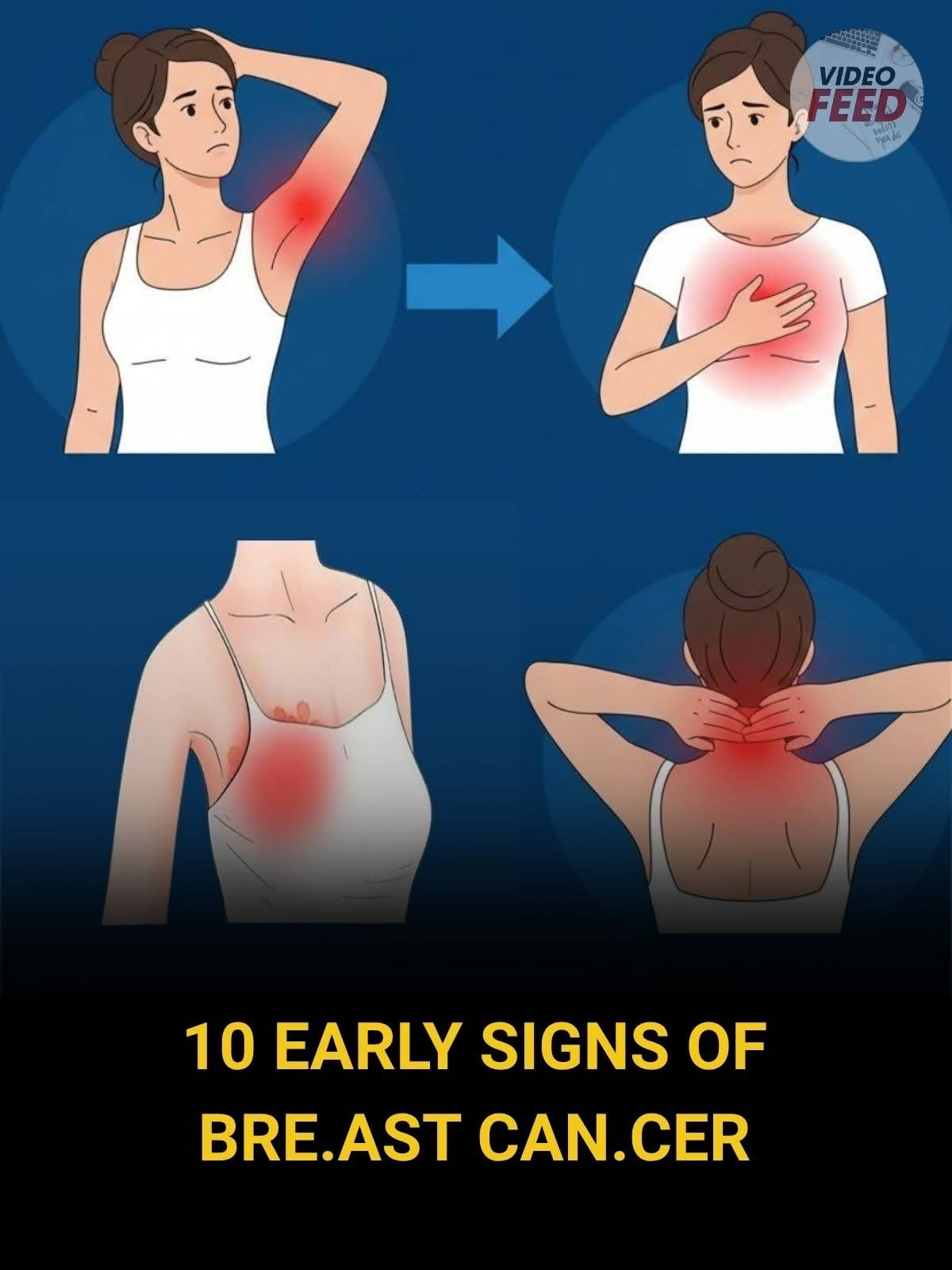
What to look for: A hard, painless lump with irregular edges is most concerning. However, breast cancers can also be soft, round, tender, or painful.
✅ What to do: Any new lump should be evaluated by a healthcare provider within 1-2 weeks. Don’t wait to see if it goes away.
📊 The facts: Most breast lumps are not cancer (fibrocystic changes, cysts, and fibroadenomas are common benign causes). But only a medical exam and imaging can determine the cause.
2. Thickening or Swelling of Part of the Breast
What to look for: An area that feels denser or fuller than the surrounding tissue, even if you can’t feel a distinct lump.
✅ What to do: Schedule an appointment with your provider. This change may be subtle, so trust your instincts if something feels different.
3. Skin Irritation, Dimpling, or “Orange Peel” Texture
What to look for:
- Dimpling or puckering of the skin (sometimes called peau d’orange—French for “orange peel”)
- Skin that looks pitted or textured
- Redness or flakiness in the nipple area or breast
✅ What to do: These changes can indicate inflammatory breast cancer, a rare but aggressive form that requires prompt evaluation. Contact your provider immediately.
4. Nipple Retraction (Turning Inward)
What to look for: A nipple that suddenly pulls inward or looks different than usual.
✅ What to do: If this is a new change (not something you’ve always had), see your provider. Nipple retraction can occur when a tumor pulls tissue inward.
5. Nipple or Breast Skin Redness, Flakiness, or Scaling
What to look for:
- Persistent redness or rash on the nipple or breast
- Flaky, scaly, or thickened skin
- Skin that looks like eczema but doesn’t respond to treatment
✅ What to do: These symptoms can indicate Paget’s disease of the breast, a rare form of breast cancer involving the nipple. See your provider promptly.
6. Nipple Discharge (Other Than Breast Milk)
What to look for:
- Clear, bloody, or colored discharge
- Discharge that occurs without squeezing
- Discharge from only one breast
✅ What to do: While discharge can be caused by benign conditions (like duct ectasia or intraductal papilloma), it should always be evaluated. Contact your provider, especially if the discharge is bloody or spontaneous.
⚠️ Note: Milky discharge from both breasts is often hormonal and less concerning, but still mention it to your provider.
7. Change in Breast Size or Shape
What to look for:
- One breast becoming noticeably larger or smaller
- Asymmetry that’s new or worsening
- Swelling of all or part of the breast (even without a distinct lump)
✅ What to do: Some asymmetry is normal, but newor progressive changes should be evaluated.
8. Pain in the Breast or Nipple
What to look for:
- Persistent pain in one specific area
- Nipple pain that doesn’t go away
- Pain that’s different from typical menstrual breast tenderness
✅ What to do: While breast pain is rarely the first symptom of breast cancer, persistent, localized pain should be checked. Don’t dismiss it just because “breast cancer doesn’t hurt”—sometimes it does.
9. Swollen Lymph Nodes Under the Arm or Near the Collarbone
What to look for:
- A lump or swelling in the armpit
- Tenderness or fullness near the collarbone
- Nodes that feel firm or fixed (don’t move easily)
✅ What to do: Lymph nodes can swell for many reasons (infection, inflammation), but persistent swelling should be evaluated. Breast cancer can spread to nearby lymph nodes before a breast lump is detectable.
10. Persistent, Unexplained Changes
What to look for: Any change in how your breast looks or feels that:
- Is new
- Persists beyond one menstrual cycle
- Feels different from your “normal”
✅ What to do: Trust your instincts. You know your body better than anyone. If something feels wrong, seek evaluation—even if you’re not sure it fits a “classic” symptom.
🔍 Important Context: Not All Changes Are Cancer
It’s crucial to understand that most breast changes are NOT cancer. Common benign causes include:
✨ Fibrocystic changes: Lumpy, tender breasts related to hormonal fluctuations
✨ Cysts: Fluid-filled sacs that can feel like lumps
✨ Fibroadenomas: Solid, benign tumors common in younger women
✨ Mastitis: Breast infection (common in breastfeeding women)
✨ Fat necrosis: Damage to fatty tissue that can feel like a lump
✨ Hormonal changes: Menstrual cycles, pregnancy, and menopause all affect breast tissue
However, only a healthcare provider can determine whether a change is benign or requires further investigation. Never self-diagnose.
🩺 When to See a Healthcare Provider
Contact your provider if you notice:
⚠️ Any new lump or mass
⚠️ Changes that persist beyond one menstrual cycle
⚠️ Nipple discharge (especially bloody or spontaneous)
⚠️ Skin changes (dimpling, redness, scaling)
⚠️ New nipple inversion
⚠️ Persistent pain in one specific area
⚠️ Swollen lymph nodes under the arm
⚠️ ANY change that concerns you
Don’t wait. Early evaluation provides peace of mind if the change is benign—and early treatment if it’s cancer.
Screening Guidelines: Early Detection Saves Lives
In addition to knowing the warning signs, regular screening is essential:
Mammography Recommendations (Average Risk)
- Ages 40-44: Option to begin annual screening
- Ages 45-54: Annual mammograms recommended
- Ages 55+: Mammograms every 1-2 years
- High-risk individuals: May need earlier and more frequent screening (MRI + mammogram)
Clinical Breast Exams
- Ages 25-39: Clinical breast exam every 1-3 years
- Ages 40+: Annual clinical breast exam
Breast Self-Awareness
While formal monthly self-exams are no longer universally recommended, breast self-awareness is encouraged:
- Know what’s normal for your breasts
- Notice changes in how they look and feel
- Report changes to your provider promptly
Note: Guidelines vary by organization (ACS, USPSTF, ACOG). Discuss your individual risk and screening plan with your healthcare provider.
🧬 Know Your Risk Factors
While breast cancer can occur in anyone with no risk factors, certain factors increase risk:
Non-Modifiable Risk Factors
- Female sex (though men can get breast cancer too)
- Increasing age
- Genetic mutations (BRCA1, BRCA2, others)
- Family history of breast or ovarian cancer
- Personal history of breast cancer or certain benign breast conditions
- Dense breast tissue
- Early menstruation (before age 12) or late menopause (after 55)
- Previous chest radiation
Modifiable Risk Factors
- Physical inactivity
- Being overweight or obese (especially after menopause)
- Alcohol consumption
- Hormone replacement therapy (combined estrogen-progestin)
- Not having children or having first child after age 30
- Not breastfeeding
✅ What you can do: While you can’t change all risk factors, maintaining a healthy weight, exercising regularly, limiting alcohol, and discussing hormone therapy risks with your provider can help reduce risk.
❓ Frequently Asked Questions
If I find a lump, does it mean I have cancer?
No. Most breast lumps are benign. However, all new lumps should be evaluated by a healthcare provider to determine the cause.
Can breast cancer occur without a lump?
Yes. Inflammatory breast cancer, Paget’s disease, and some other types may not present with a distinct lump. This is why knowing all the warning signs is important.
Are breast changes normal during my period?
Yes. Hormonal fluctuations can cause temporary lumpiness, tenderness, or swelling. However, changes that persist after your period ends should be evaluated.
Can men get breast cancer?
Yes. While rare (less than 1% of all breast cancers), men can develop breast cancer. Men should also report lumps, nipple changes, or discharge to their provider.
How quickly does breast cancer develop?
It varies. Some breast cancers grow slowly over years; others are more aggressive. This is why regular screening and prompt evaluation of changes are essential.
What happens if I’m diagnosed with breast cancer?
Treatment has advanced significantly. Options may include surgery, radiation, chemotherapy, hormone therapy, targeted therapy, or immunotherapy—often in combination. Many breast cancers are highly treatable, especially when caught early.
💙 A Gentle Reminder: Your Health Matters
Here’s what I hope you take away:
🔹 You are your best advocate. No one knows your body like you do. Trust your instincts.
🔹 Asking for help is strength. Scheduling that appointment takes courage—and it’s the right choice.
🔹 Early detection saves lives. Most breast cancers found early have excellent outcomes.
🔹 You’re not alone. Millions of people navigate breast health concerns every year. Support is available.
If you’re reading this because you’ve noticed a change, please take action. Call your provider. Make the appointment. Bring a friend for support if you need to. Your health is worth it.
🤝 Resources for Support and Information
If you have questions or need support:
- American Cancer Society: cancer.org | 1-800-227-2345
- National Breast Cancer Foundation: nationalbreastcancer.org | 1-877-465-6636
- Breastcancer.org: breastcancer.org
- Susan G. Komen: komen.org | 1-877-465-6636
- FORCE (Facing Our Risk of Cancer Empowered): facingourrisk.org (for hereditary breast/ovarian cancer)
- Local support groups: Ask your healthcare provider or search online for groups in your area
Your Turn: What Questions Do You Have?
If you feel comfortable sharing:
🔹 Have you ever noticed a breast change? What did you do?
🔹 Do you have questions about screening or risk factors?
🔹 Is there a topic related to breast health you’d like to learn more about?
Drop a comment below. Your questions help others feel less alone. And if you think a friend or family member might benefit from this information, please pass it along.
Sometimes, the most powerful act of self-care is paying attention—and taking action when something doesn’t feel right.
Here’s to awareness, early detection, and the courage to prioritize your health. You deserve peace of mind. 💗🎀