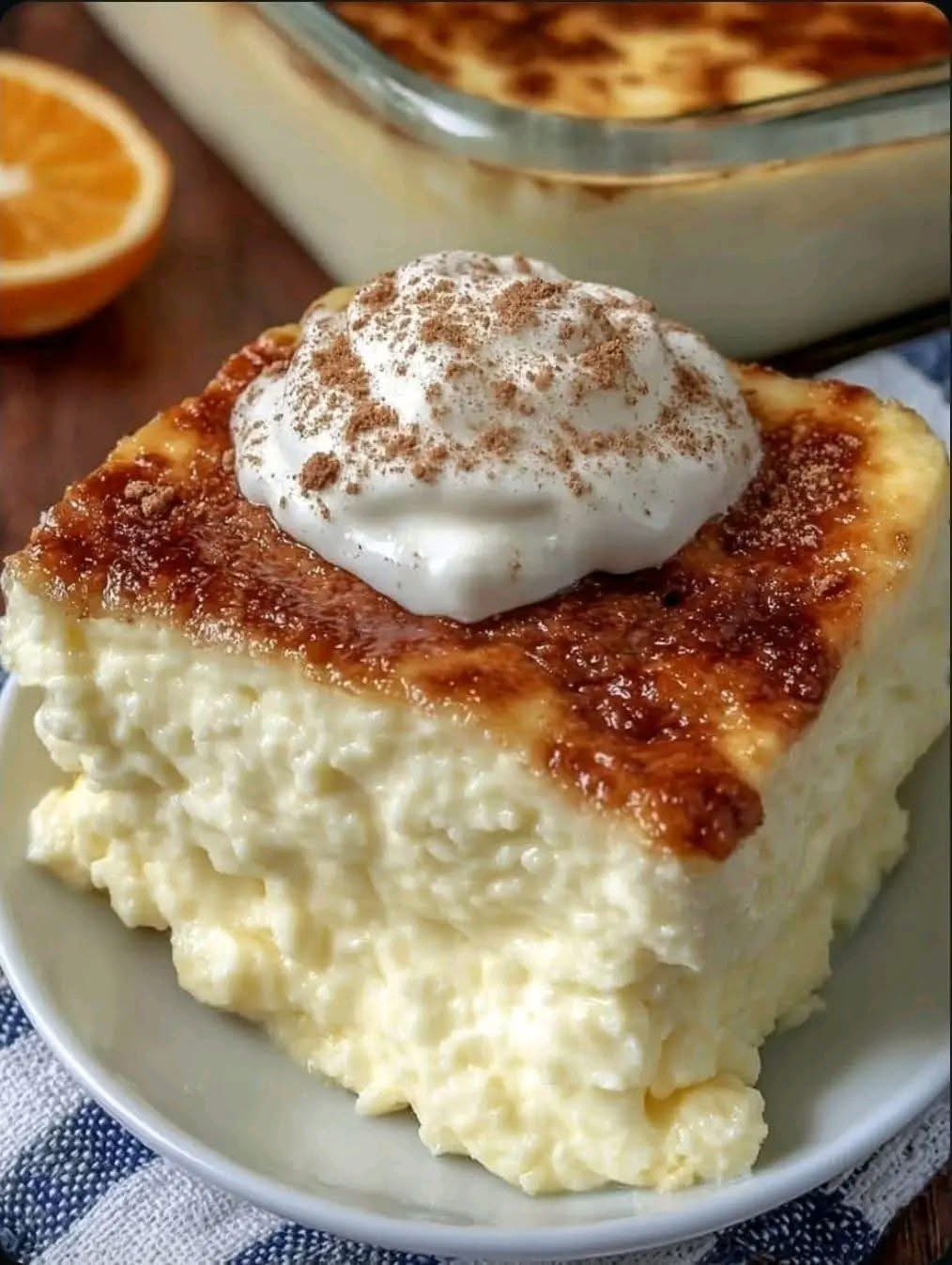
Step back in time to the comforting kitchens of Amish country with a dish that embodies simplicity, warmth, and wholesome goodness: Amish Baked Custard. This timeless farmhouse dessert is more than just a sweet treat; it’s a culinary hug, a taste of tradition passed down through generations. With its silky-smooth texture, delicate sweetness, and hint of vanilla, baked custard holds a special place in the hearts of many, offering a gentle reminder of slower, more intentional living.
What makes this humble custard so enduringly popular? Perhaps it’s the magic of transforming a few basic ingredients – milk, eggs, and sugar – into something so utterly delicious. Or maybe it’s the comforting aroma that fills the home as it bakes, promising a simple pleasure that satisfies both body and soul. This recipe celebrates the beauty of fresh, readily available ingredients, showcasing how quality components, treated with care, can create an unforgettable dessert that transcends time and trends.
Amish Baked Custard is special because it represents the core values of Amish cuisine: resourcefulness, community, and the celebration of life’s simple joys. It’s a dessert often shared at family gatherings, holiday meals, and everyday suppers, offering a moment of sweet reflection and togetherness. Its “timeless” appeal lies in its straightforward nature and universally loved flavor profile, making it a beloved classic that continues to grace tables today.
Nutritional Information
Per serving (approximate values):
- Calories: 280
- Protein: 9g
- Carbohydrates: 28g
- Fat: 15g
- Fiber: 0g
- Sodium: 120mg
Ingredients
- 4 large eggs
- 1/2 cup granulated sugar, plus 1 tablespoon for topping (optional)
- 2 1/2 cups whole milk (or half-and-half for a richer custard)
- 1 teaspoon pure vanilla extract
- 1/4 teaspoon ground cinnamon
- Pinch of salt
- Hot water, for the water bath
- Fresh orange slices, for garnish (optional)
- Whipped heavy cream, for topping (optional)
Instructions
- Preheat your oven to 325°F (160°C). Position an oven rack in the middle of the oven.
- Prepare a water bath: Select a baking dish large enough to hold your custard ramekins or pie plate with at least an inch of space around them. Place a clean kitchen towel on the bottom of the larger baking dish to prevent the ramekins from sliding.
- In a large bowl, gently whisk the eggs until just combined. Be careful not to incorporate too much air, as this can lead to a foamy or bubbly custard.
- Add the 1/2 cup granulated sugar, vanilla extract, and pinch of salt to the whisked eggs. Whisk gently until the sugar is dissolved and the mixture is well combined.
- In a separate saucepan, gently heat the whole milk over medium heat until it’s steamy and hot to the touch, but not boiling. Do not let it boil, as this can scorch the milk and alter the custard’s flavor.
- Slowly temper the hot milk into the egg mixture. To do this, gradually pour a thin stream of the hot milk into the egg mixture while continuously whisking. This prevents the eggs from scrambling. Once about half of the milk has been incorporated, you can add the remaining milk a bit faster, still whisking constantly.
- Pour the custard mixture through a fine-mesh sieve into a clean bowl or directly into your prepared ramekins/pie plate. This step removes any bits of cooked egg or chalazae, ensuring a perfectly smooth custard.
- Divide the custard mixture evenly among four 6-ounce ramekins or pour into a 9-inch pie plate.
- Carefully place the ramekins or pie plate into the larger baking dish prepared with the kitchen towel.
- Transfer the baking dish to the preheated oven. Then, carefully pour hot water into the larger baking dish, surrounding the ramekins, until the water comes about halfway up the sides of the custard dishes.
- Bake for 45-60 minutes for individual ramekins, or 60-75 minutes for a pie plate. The exact baking time will vary depending on your oven and the size of your dishes. The custard is done when the edges are set, but the center still has a slight jiggle when gently shaken.
- About 10-15 minutes before the end of the baking time, if desired, carefully remove the baking dish from the oven. Sprinkle the remaining 1 tablespoon of granulated sugar evenly over the top of the custard. Return to the oven to allow the sugar to melt and slightly caramelize, creating a beautiful golden crust.
- Once baked, carefully remove the baking dish from the oven. Using tongs or oven mitts, carefully lift the ramekins or pie plate out of the water bath.
- Allow the custards to cool completely on a wire rack at room temperature. This is crucial for the custard to fully set and achieve its proper texture.
- Once cooled, sprinkle with ground cinnamon if desired. Garnish with fresh orange slices and a dollop of whipped heavy cream just before serving.
Cooking Tips and Variations
For the smoothest, silkiest custard, always use a water bath (bain-marie). This creates a gentle, even heat environment, preventing the custard from cracking, cooking too quickly, or becoming rubbery. Don’t skip the straining step; it’s key to removing any lumps and ensuring a perfectly smooth texture. When tempering the eggs, pour the hot milk in a very slow stream while whisking continuously to prevent the eggs from scrambling. Avoid overbaking; the custard should still have a slight wobble in the center when gently shaken, as it will continue to set as it cools. For the best flavor and texture, allow the custard to cool completely before serving, ideally chilling it for at least 4 hours or overnight.
To add a touch of spice, consider adding a pinch of freshly grated nutmeg along with the cinnamon. For a citrusy twist, you can add 1/2 teaspoon of orange zest or lemon zest to the milk as it heats, then strain it out before combining with the eggs. If you prefer a richer custard, substitute some or all of the whole milk with heavy cream or half-and-half. For a caramel-flavored custard, you can melt 1/4 cup of sugar in a saucepan until it turns a deep amber, then pour it into the bottom of your ramekins before adding the custard mixture. For a seasonal variation, try adding a tablespoon of pumpkin puree and a pinch of pumpkin pie spice to the custard base. You can also serve it with fresh berries, a drizzle of maple syrup, or a sprinkle of toasted nuts for added texture and flavor.
Storage and Reheating
Amish Baked Custard is best enjoyed chilled. To store leftovers, cover the individual ramekins or the pie plate tightly with plastic wrap. Store the custard in the refrigerator for up to 3-4 days. While it can technically be reheated, the texture of baked custard is generally best when served cold or at room temperature. Reheating can sometimes cause it to become rubbery or separate. If you must reheat, gently warm individual servings in the microwave on a low setting for short bursts, just until slightly warm, taking care not to overheat. Alternatively, you can place the ramekins in a warm water bath for about 10-15 minutes to gently bring them to room temperature.
Frequently Asked Questions
Why did my custard crack on top?
Custard often cracks if it’s baked at too high a temperature, baked for too long, or if it isn’t baked in a water bath. The water bath helps regulate the temperature and creates a more humid environment, preventing the custard from drying out and cracking. Make sure your oven temperature is accurate and don’t overbake; the center should still be slightly jiggly.
Can I make this custard ahead of time?
Absolutely! Baked custard is an excellent make-ahead dessert. In fact, it tastes even better when it’s had time to chill and fully set, allowing the flavors to meld beautifully. You can prepare and bake the custard a day or two in advance, cool it completely, and then store it covered in the refrigerator until you’re ready to serve.
What is the purpose of tempering the eggs?
Tempering the eggs (slowly adding hot milk to the egg mixture while whisking) is crucial to prevent the eggs from scrambling. If you were to add the eggs directly to the hot milk, the sudden change in temperature would cook the eggs too quickly, resulting in lumps. Tempering gradually raises the temperature of the eggs, allowing them to gently integrate into the hot liquid without scrambling.
Can I use a different type of milk?
While whole milk is traditionally used and provides the richest, creamiest texture, you can experiment with other types of milk. Half-and-half will yield an even richer custard. Skim or low-fat milk can be used, but the custard’s texture will be less creamy and more delicate. Plant-based milks like almond milk or soy milk can also work, but results may vary in terms of texture and flavor; ensure they are unsweetened to avoid overly sweet custard.