Introduction
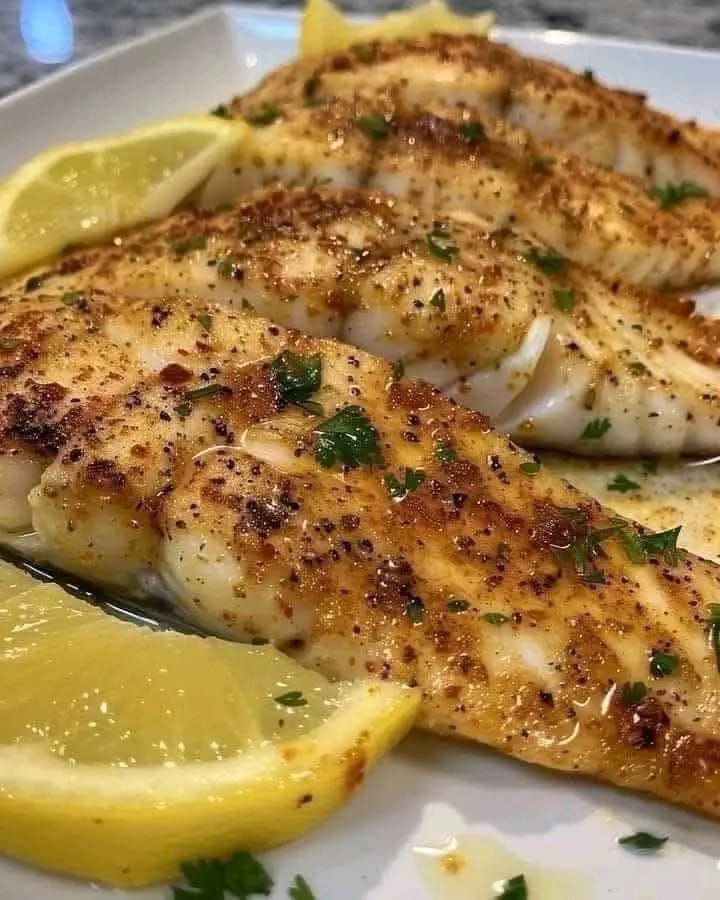
Prepare to fall in love with your new favorite weeknight meal: Lemon Butter Fish Fillet! This isn’t just another fish recipe; it’s a culinary revelation that promises bright, zesty flavors, a rich, savory finish, and an incredibly tender, flaky texture. Imagine a dish so elegant it feels like a special occasion, yet so simple and quick to prepare that it effortlessly fits into even your busiest evenings. This Lemon Butter Fish is exactly that – a perfect harmony of taste and convenience that will have everyone asking for seconds.
What makes this recipe truly unforgettable, and why you absolutely don’t want to lose it, is its ability to transform humble fish fillets into a restaurant-quality meal with minimal effort. The magic lies in the vibrant lemon, the luxurious butter, and a thoughtful blend of seasonings that enhance, rather than overpower, the delicate flavor of the fish. It’s a foolproof method for achieving perfectly cooked fish every single time, whether you’re a seasoned chef or just starting your cooking journey. Get ready to impress yourself and your loved ones with this healthy, delicious, and utterly irresistible dish.
Nutritional Information
Per serving (approximate values):
- Calories: 320
- Protein: 35g
- Carbohydrates: 5g
- Fat: 18g
- Fiber: 1g
- Sodium: 450mg
Ingredients
- 4 (6-ounce) white fish fillets (such as cod, tilapia, snapper, or halibut), about 1 inch thick
- 1/2 teaspoon salt
- 1/4 teaspoon black pepper
- 1/4 teaspoon garlic powder
- 1/4 teaspoon onion powder
- 1/8 teaspoon paprika
- 3 tablespoons unsalted butter, divided
- 1 tablespoon olive oil
- 2 cloves garlic, minced
- 1/4 cup fresh lemon juice (from 1-2 lemons)
- 2 tablespoons fresh parsley, chopped, plus more for garnish
- Lemon wedges, for serving
Instructions
- Pat the fish fillets very dry with paper towels. This is a crucial step for achieving a beautiful sear.
- In a small bowl, combine the salt, black pepper, garlic powder, onion powder, and paprika.
- Season both sides of each fish fillet generously with the spice mixture.
- Heat 2 tablespoons of butter and 1 tablespoon of olive oil in a large non-stick skillet over medium-high heat until the butter is melted and shimmering.
- Carefully place the seasoned fish fillets in the hot skillet, ensuring not to overcrowd the pan. If necessary, cook the fish in batches.
- Sear the fish for 3-4 minutes per side, or until golden brown and cooked through. The fish should flake easily with a fork when done. The exact cooking time will depend on the thickness of your fillets.
- Once cooked, remove the fish from the skillet and transfer to a serving platter. Cover loosely with foil to keep warm.
- Reduce the heat to medium-low. Add the remaining 1 tablespoon of butter to the skillet and let it melt.
- Add the minced garlic to the skillet and sauté for 30 seconds until fragrant, being careful not to burn it.
- Pour in the fresh lemon juice and stir, scraping up any browned bits from the bottom of the pan. Let the sauce simmer for 1-2 minutes until slightly reduced.
- Stir in the chopped fresh parsley.
- Spoon the warm lemon butter sauce generously over the cooked fish fillets.
- Garnish with extra fresh parsley and serve immediately with fresh lemon wedges.
Cooking Tips and Variations
To ensure your Lemon Butter Fish Fillet turns out perfectly every time, start by choosing the freshest white fish available. Look for fillets that are firm, shiny, and have a mild, clean smell. Cod, tilapia, snapper, haddock, and mahi-mahi are all excellent choices for this recipe. A key to achieving that desirable golden-brown crust and preventing the fish from sticking is to pat the fillets thoroughly dry with paper towels before seasoning. Excess moisture will steam the fish instead of searing it. Don’t be shy with the seasoning; fish benefits greatly from a generous application of salt, pepper, and aromatics. When cooking, ensure your skillet is hot enough before adding the fish, but not smoking. Medium-high heat is ideal for searing. Resist the urge to move the fish too early; let it develop a crust on the first side before flipping. The fish is done when it’s opaque throughout and flakes easily with a fork, typically 3-4 minutes per side for a one-inch thick fillet. Overcooking is the enemy of tender fish, so keep a close eye on it!
For variations, feel free to experiment with different herbs. Fresh dill or chives can be lovely alternatives or additions to parsley in the lemon butter sauce. A pinch of red pepper flakes can add a subtle kick if you enjoy a bit of heat. If you prefer a nuttier flavor, you can brown the butter slightly before adding the garlic and lemon juice for a “beurre noisette” effect. For a creamier sauce, stir in a tablespoon or two of heavy cream at the very end, just before adding the parsley. You can also add capers to the lemon butter sauce for a briny, tangy pop. While pan-searing yields the best crust, this recipe can also be adapted for baking or grilling. For baking, place seasoned fish on a parchment-lined baking sheet, drizzle with a little olive oil, and bake at 400°F (200°C) for 12-15 minutes. For grilling, brush the fish with oil, season, and grill over medium-high heat for 3-5 minutes per side, then drizzle with the prepared lemon butter sauce. Always remember to adjust cooking times based on the thickness of your fish.
Storage and Reheating
Lemon Butter Fish Fillet is best enjoyed fresh, immediately after cooking, to savor its delicate texture and vibrant flavors. However, if you find yourself with leftovers, they can be safely stored. Allow the cooked fish to cool completely before transferring it to an airtight container. Refrigerate promptly, and consume within 1-2 days for the best quality. It’s important to note that fish tends to dry out and lose some of its tender texture upon reheating, but careful methods can help minimize this.
To reheat, avoid the microwave if possible, as it can easily overcook and rubberize the fish. The best method is to gently reheat it in a skillet or oven. For skillet reheating, place the fish in a non-stick pan over low to medium-low heat with a tablespoon of water or a small pat of butter, and cover. Heat for 5-7 minutes, or until just warmed through. For oven reheating, preheat your oven to 275°F (135°C). Place the fish on a baking sheet lined with parchment paper, add a splash of water to the tray, and cover loosely with foil. Heat for 10-15 minutes, or until warmed through, checking periodically to prevent drying out. The goal is to warm it gently without further cooking it. While the texture may not be exactly the same as fresh, the flavors will still be delicious.
Frequently Asked Questions
Can I use frozen fish for this recipe?
Yes, you can absolutely use frozen fish fillets. The most important step when using frozen fish is to thaw it completely before cooking. Transfer the frozen fish to the refrigerator the night before, or for a quicker thaw, place the sealed fish in a bowl of cold water for about an hour, changing the water every 15-20 minutes. Once thawed, pat the fish very, very dry with paper towels to remove all excess moisture, as this is crucial for achieving a good sear and preventing a soggy result. Then, proceed with the recipe as directed.
What other herbs can I use in the lemon butter sauce?
While fresh parsley offers a classic and refreshing flavor, you can certainly experiment with other fresh herbs to customize the taste. Fresh dill pairs beautifully with fish, providing a slightly tangy and aromatic note. Chives offer a mild oniony flavor that complements the lemon and butter well. Thyme or oregano can also be used, but in smaller quantities, as their flavors are more potent. For a Mediterranean twist, consider a mix of fresh oregano and a tiny bit of mint. Always use fresh herbs for the best flavor and vibrant color in your sauce.
How do I know when the fish is cooked through?
The best way to tell if your fish is cooked is by checking its internal temperature or by its appearance. The FDA recommends cooking fish to an internal temperature of 145°F (63°C). If you don’t have a thermometer, look for visual cues: the fish should be opaque throughout and flake easily with a fork. When you gently poke the thickest part of the fillet with a fork, the flesh should separate into distinct flakes without resistance. Avoid overcooking, as this is the most common mistake and can lead to dry, tough fish. The cooking time will vary depending on the thickness of your fillet, so focus on these visual and textural cues rather than strictly adhering to a timer.
Can I bake or grill this fish instead of pan-searing?
Yes, this recipe is quite versatile and can be adapted for baking or grilling, though pan-searing typically provides the best crust. To bake, preheat your oven to 400°F (200°C). Place the seasoned fish fillets on a parchment-lined baking sheet, drizzle lightly with olive oil, and bake for 12-18 minutes, depending on thickness, or until the fish is opaque and flakes easily. Prepare the lemon butter sauce separately on the stovetop and spoon it over the baked fish before serving. For grilling, brush both sides of the seasoned fish fillets with olive oil to prevent sticking. Grill over medium-high heat for 3-5 minutes per side, or until cooked through and showing nice grill marks. Again, prepare the lemon butter sauce separately and drizzle it over the grilled fish. Always ensure your grill grates are clean and well-oiled to prevent the delicate fish from sticking.