Introduction
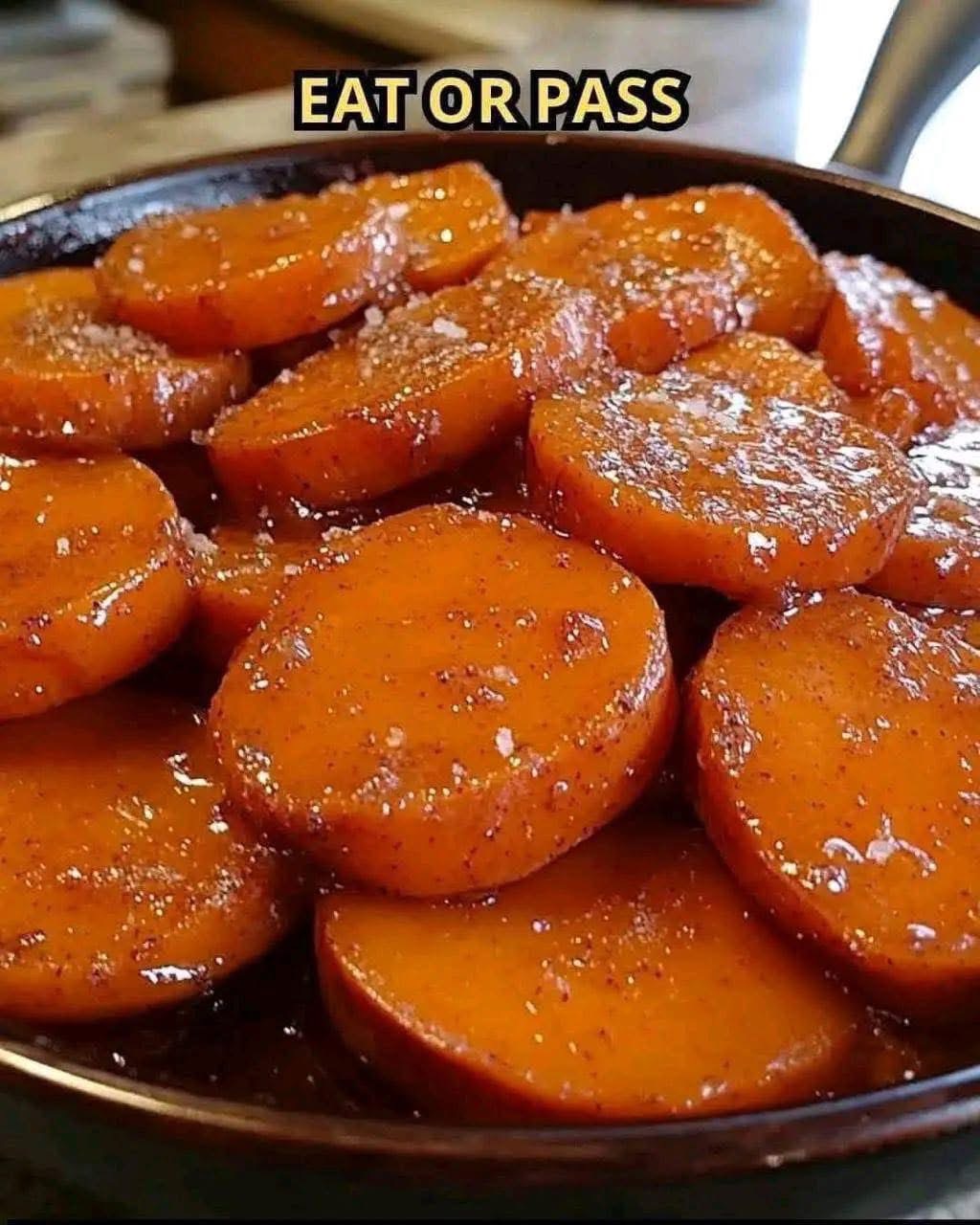
There are some dishes that simply define a holiday spread, and Southern Candied Sweet Potatoes are undeniably one of them. This classic side dish, a beloved staple across the American South, transforms humble sweet potatoes into a truly extraordinary culinary experience. Imagine tender, sweet potato slices glistening with a rich, caramelized glaze – a symphony of sweetness and warmth that promises comfort with every bite. It’s the kind of dish that evokes memories of family gatherings, festive tables, and the joyful spirit of the season, making it an essential part of Thanksgiving and Christmas celebrations.
What makes these candied sweet potatoes so irresistibly delicious is the magical transformation that occurs during cooking. The natural sweetness of the sweet potatoes is amplified and complemented by a buttery, sugary syrup that slowly coats each piece, creating a glossy, almost confection-like finish. This isn’t just a simple baked potato; it’s a dish where the sweet potatoes are lovingly simmered and glazed until they achieve a perfect balance of tenderness and a slightly sticky, deeply flavorful crust. Our recipe captures this timeless Southern charm, offering a straightforward approach to achieving that authentic, heartwarming taste.
This particular recipe focuses on creating that perfect “candied” effect – a luxurious, glossy, and deeply flavored coating that clings to every tender piece of sweet potato. We’ll guide you through selecting the best sweet potatoes, combining them with the right balance of sweetness and spice, and cooking them to perfection. The result is a dish that’s not only incredibly comforting but also stunningly beautiful on any holiday table. Get ready to impress your guests and delight your family with this simple yet profoundly satisfying Southern classic.
Nutritional Information
Per serving (approximate values):
- Calories: 320
- Protein: 3g
- Carbohydrates: 60g
- Fat: 9g
- Fiber: 5g
- Sodium: 120mg
Ingredients
- 3 pounds medium-sized sweet potatoes, peeled and cut into 1/2-inch thick rounds
- 1/2 cup unsalted butter, cut into cubes
- 1/2 cup granulated sugar
- 1/4 cup packed light brown sugar
- 1/2 cup water
- 1 teaspoon ground cinnamon
- 1/2 teaspoon ground nutmeg
- 1/4 teaspoon ground cloves (optional)
- 1/2 teaspoon vanilla extract
- Pinch of salt
Instructions
- Begin by preparing your sweet potatoes. Wash them thoroughly, then use a vegetable peeler to remove the skin. Once peeled, slice each sweet potato into uniform 1/2-inch thick rounds. Aim for consistency in thickness so they cook evenly.
- In a large, heavy-bottomed skillet or Dutch oven, combine the cubed unsalted butter, granulated sugar, light brown sugar, and water. Place the skillet over medium heat.
- Stir the mixture gently as it heats, allowing the butter to melt and the sugars to dissolve into the water. Continue to stir until the mixture comes to a gentle simmer and the sugars are fully incorporated, forming a syrup. This process should take about 3-5 minutes.
- Carefully add the sliced sweet potatoes to the skillet, arranging them in a single layer if possible. If your skillet is not large enough to hold all the sweet potatoes in one layer, you can stack them slightly, but ensure they are all well-coated with the syrup.
- Sprinkle the ground cinnamon, ground nutmeg, and optional ground cloves evenly over the sweet potatoes. Add a pinch of salt to enhance the flavors.
- Bring the mixture back to a gentle simmer. Once simmering, reduce the heat to low, cover the skillet, and let the sweet potatoes cook for 20-25 minutes, or until they are fork-tender. Check periodically to ensure the liquid isn’t evaporating too quickly; if it is, add a tablespoon or two of water.
- Once the sweet potatoes are tender, remove the lid. Increase the heat to medium-low and continue to cook, stirring occasionally, for another 10-15 minutes. During this stage, the syrup will begin to thicken and caramelize, creating that beautiful “candied” glaze. Be careful not to let it burn.
- Remove the skillet from the heat. Stir in the vanilla extract, ensuring it’s well distributed throughout the candied sweet potatoes.
- Serve the Southern Candied Sweet Potatoes hot, spooning extra glaze over each serving. They are best enjoyed immediately as a comforting side dish.
Cooking Tips and Variations
For the best Southern Candied Sweet Potatoes, selecting the right sweet potatoes is key. Look for firm, unblemished orange-fleshed varieties like Beauregard or Jewel. These varieties have a naturally higher sugar content and a creamy texture that holds up well to simmering without becoming mushy. When peeling and slicing, strive for uniform 1/2-inch thick rounds. This ensures even cooking, so every piece is perfectly tender at the same time. A sharp chef’s knife or a mandoline slicer (with caution!) can help achieve this consistency.
The caramelization step is crucial for developing that signature glossy, rich glaze. Don’t rush this process. After the sweet potatoes are tender, removing the lid and increasing the heat slightly allows the syrup to reduce and thicken. Keep a close eye on it and stir frequently during these last 10-15 minutes to prevent sticking or burning. The goal is a thick, syrupy consistency that coats the sweet potatoes beautifully, not a dry, hard caramel. A heavy-bottomed skillet or Dutch oven is highly recommended as it distributes heat more evenly and reduces the risk of scorching.
To enhance the flavor profile, a pinch of salt is essential. While it might seem counterintuitive in a sweet dish, salt balances the sweetness and makes the flavors pop. Don’t skip it! For an extra layer of richness and a hint of warmth, consider adding a tablespoon of orange zest along with the vanilla extract at the end. The citrus brightens the sweetness beautifully.
If you enjoy a bit of texture, toasted pecans or walnuts can be a wonderful addition. Sprinkle them over the candied sweet potatoes during the last 5 minutes of cooking, or just before serving, to maintain their crunch. You can also vary the spices to your liking. A touch of allspice or ginger can add more complexity. For a truly decadent twist, a splash of bourbon or rum added with the vanilla extract can introduce a sophisticated depth of flavor, perfect for adult holiday gatherings.
While often served as a side dish, candied sweet potatoes can also be a delightful dessert on their own, perhaps with a dollop of whipped cream or a scoop of vanilla ice cream. They also make an excellent topping for pancakes or waffles for a festive breakfast or brunch. The versatility of this dish means it can adapt to many occasions and preferences.
Storage and Reheating
Southern Candied Sweet Potatoes are best enjoyed fresh, but leftovers can be stored and reheated. To store, allow the sweet potatoes to cool completely to room temperature. Transfer them to an airtight container and refrigerate for up to 3-4 days. It’s important to seal them well to prevent them from drying out or absorbing other odors from the refrigerator.
When reheating, the goal is to warm them through without making them mushy or drying out the glaze. For best results, reheat in a skillet on the stovetop over low to medium-low heat. Add a tablespoon or two of water or orange juice to the skillet with the sweet potatoes to help rehydrate the glaze and prevent sticking. Stir gently and cook until heated through, about 5-7 minutes. You can also reheat them in the oven. Place the sweet potatoes in an oven-safe dish, cover loosely with foil, and bake at 300°F (150°C) for 15-20 minutes, or until warm. If the glaze is too thick, a tiny splash of water or butter can help loosen it. Avoid microwaving if possible, as it can sometimes make the sweet potatoes too soft and the glaze less appealing, but if you must, do so in short intervals, stirring frequently.
Frequently Asked Questions
Can I make Southern Candied Sweet Potatoes ahead of time?
Yes, absolutely! Southern Candied Sweet Potatoes are a fantastic make-ahead dish, which is especially helpful during busy holiday seasons. You can prepare them entirely up to 1-2 days in advance. After cooking, allow them to cool completely, then transfer to an airtight container and refrigerate. When ready to serve, reheat gently on the stovetop or in the oven as described in the storage and reheating section. Making them ahead can even deepen the flavors slightly as they meld in the refrigerator.
What’s the difference between yams and sweet potatoes?
This is a common point of confusion! In the United States, what are typically labeled as “yams” in grocery stores are actually a type of sweet potato with moist, orange flesh. True yams are a completely different plant species, native to Africa and Asia, with a starchy, drier texture and rough, bark-like skin. For this Southern Candied Sweet Potatoes recipe, you should always use the orange-fleshed sweet potatoes that are commonly sold as “sweet potatoes” or sometimes mislabeled as “yams” in American supermarkets. These are the ones that will provide the desired sweetness and creamy texture.
Can I use a sugar substitute or reduce the sugar content?
While this recipe is built on the “candied” effect from sugar, you can experiment with reducing the amount of sugar if you prefer a less sweet dish. You could start by reducing the granulated sugar by a quarter cup and tasting the glaze before adding all the sweet potatoes. For sugar substitutes, results can vary significantly in terms of texture and caramelization. Some granulated sugar substitutes may work, but they might not achieve the same glossy, thick glaze as real sugar. We recommend using real sugar for the authentic candied texture and flavor.
Can I freeze leftover candied sweet potatoes?
Freezing candied sweet potatoes is possible, but the texture may change slightly upon thawing. The sweet potatoes might become a bit softer or mushier, and the glaze could separate. If you choose to freeze them, allow them to cool completely, then transfer to a freezer-safe airtight container or freezer bag. They can be frozen for up to 2-3 months. Thaw overnight in the refrigerator before gently reheating on the stovetop, adding a splash of water or butter to refresh the glaze. While not ideal for perfect texture, it’s a viable option for extending their shelf life if you have a significant amount of leftovers.