Introduction
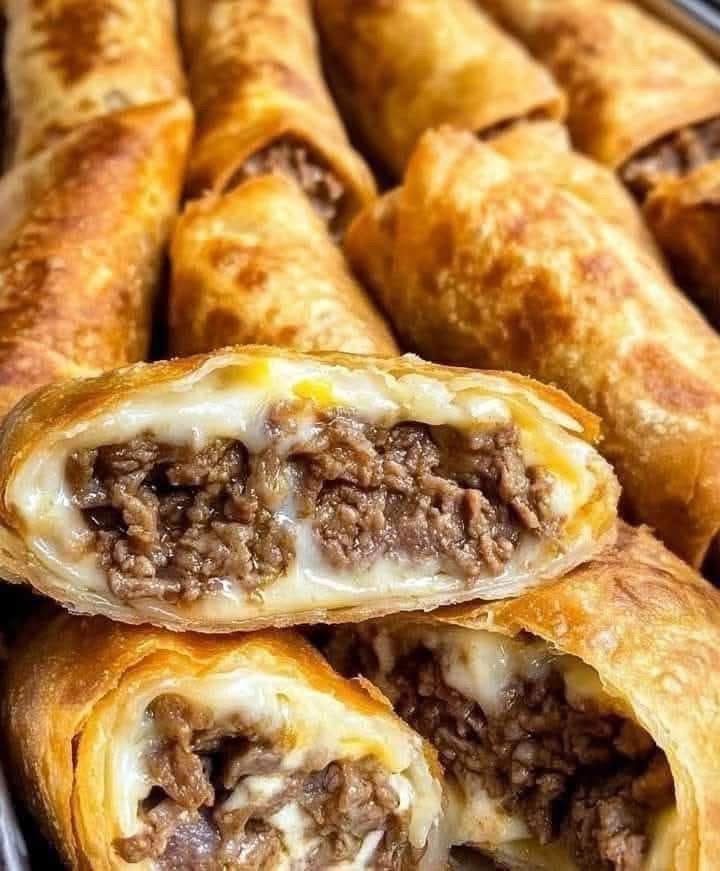
Get ready to have your taste buds blown away by a culinary mashup that’s as audacious as it is delicious: Philly Cheesesteak Egg Rolls! Forget everything you thought you knew about appetizers, because this dish takes the iconic, savory, and gloriously cheesy flavors of a classic Philly cheesesteak and wraps them up in a perfectly crispy, golden-brown egg roll wrapper. It’s a fusion masterpiece that delivers comfort food in an exciting, handheld package, perfect for game day, parties, or just a seriously satisfying snack when that cheesesteak craving hits but you want something a little different.
This isn’t just a gimmick; it’s a carefully crafted flavor bomb. Imagine tender, thinly sliced beef, sautéed to perfection with sweet caramelized onions and perhaps a hint of bell pepper, all bound together by gooey, melty cheese. Now, picture all that deliciousness tucked inside a crisp, delicate egg roll wrapper, ready to be dipped into your favorite sauce. It’s the ultimate combination of textures and tastes – the satisfying crunch of the exterior giving way to the rich, savory, and intensely flavorful filling. It’s quick, surprisingly easy to make, and guaranteed to be a crowd-pleaser, appealing to both cheesesteak purists and adventurous eaters alike.
Whether you’re looking for an unforgettable appetizer to wow your guests or a fun, deconstructed way to enjoy a classic sandwich, these Philly Cheesesteak Egg Rolls are your answer. They capture the essence of that beloved East Coast sandwich in a unique and craveable format. So, roll up your sleeves, because we’re about to dive into creating these irresistible bites that are sure to become a new favorite in your recipe repertoire.
Nutritional Information
Per serving (approximate values):
- Calories: 380
- Protein: 25g
- Carbohydrates: 28g
- Fat: 19g
- Fiber: 2g
- Sodium: 650mg
Ingredients
- 1 pound thinly sliced ribeye steak or shaved beef steak
- 1 tablespoon olive oil
- 1 large yellow onion, thinly sliced
- 1 green bell pepper, thinly sliced (optional)
- 1 teaspoon garlic powder
- 1/2 teaspoon black pepper
- 1/4 teaspoon salt (or to taste)
- 1 cup shredded provolone cheese
- 1/2 cup shredded mozzarella cheese
- 1/4 cup shredded white cheddar cheese (optional, for extra flavor)
- 12-16 standard egg roll wrappers
- 2 tablespoons all-purpose flour
- 2 tablespoons water
- Vegetable oil, for deep frying (about 4-6 cups)
- Optional dipping sauce: Ketchup, Sriracha mayo, or a cheese sauce
Instructions
- Prepare the Filling Base: Heat 1 tablespoon of olive oil in a large skillet or cast-iron pan over medium-high heat. Add the thinly sliced yellow onion and green bell pepper (if using). Sauté for 8-10 minutes, stirring occasionally, until the onions are softened and lightly caramelized. Remove the vegetables from the pan and set aside in a medium bowl.
- Cook the Beef: Increase the heat to high. Add the thinly sliced ribeye or shaved beef steak to the hot skillet in a single layer. Cook for 2-3 minutes per side, breaking it up with a spatula as it cooks, until browned and cooked through. Season the beef with garlic powder, black pepper, and salt while it cooks.
- Combine Filling Ingredients:Return the cooked onions and bell peppers to the skillet with the beef. Stir well to combine. Remove the skillet from the heat.
- Melt the Cheese: Sprinkle the shredded provolone, mozzarella, and white cheddar cheeses evenly over the beef and vegetable mixture in the skillet. Let it sit for 1-2 minutes, allowing the residual heat to start melting the cheese. Then, gently stir the mixture until the cheese is fully melted and gooey, coating all the beef and vegetables. This creates that classic Philly cheesesteak consistency. Transfer the filling to a plate or shallow dish and allow it to cool slightly, about 5-10 minutes, to make it easier to handle.
- Prepare the Sealing Slurry: In a small bowl, whisk together the all-purpose flour and water to create a thick paste or slurry. This will be used to seal the egg roll wrappers.
- Assemble the Egg Rolls: Lay one egg roll wrapper on a clean, dry surface with one corner pointing towards you (like a diamond). Place about 2-3 tablespoons of the cooled Philly cheesesteak filling just below the center of the wrapper.
- Fold the Egg Rolls: Fold the bottom corner of the wrapper up and over the filling, tucking it in tightly. Then, fold in the left and right corners towards the center, creating an envelope shape. Roll the egg roll tightly from the bottom upwards towards the top corner. Before you reach the top corner, dab a small amount of the flour-water slurry onto the top corner. Finish rolling to seal the egg roll completely. Repeat with the remaining wrappers and filling.
- Heat the Oil: Pour vegetable oil into a deep pot or Dutch oven, ensuring it’s at least 3 inches deep. Heat the oil over medium-high heat to 350°F (175°C). Use a candy thermometer or deep-fry thermometer to monitor the temperature.
- Fry the Egg Rolls: Carefully place 3-4 egg rolls into the hot oil, ensuring not to overcrowd the pot. Fry for 3-5 minutes, turning occasionally, until they are golden brown and crispy on all sides.
- Drain and Serve: Using tongs or a slotted spoon, carefully remove the cooked egg rolls from the oil. Transfer them to a plate lined with paper towels to drain any excess oil. Repeat with the remaining egg rolls.
- Serve Hot: Serve the Philly Cheesesteak Egg Rolls immediately while they are hot and crispy, with your favorite dipping sauce on the side.
Cooking Tips and Variations
To achieve the absolute best Philly Cheesesteak Egg Rolls, precision and a few clever tricks go a long way. First and foremost, the quality of your beef matters. Opt for thinly sliced ribeye or shaved steak from your butcher; this ensures tender, melt-in-your-mouth texture. If using a block of steak, partially freezing it for 20-30 minutes before slicing will make it much easier to get those super thin slices. When cooking the beef, make sure your skillet is screaming hot to get a good sear without overcooking, keeping the meat juicy. Don’t overcrowd the pan, cook in batches if necessary. For the cheese, a blend is key to achieving that perfect gooey, stretchy pull. While provolone is classic, adding a touch of mozzarella for stretch and white cheddar for sharpness can elevate the flavor profile significantly. Make sure to remove the skillet from the heat before adding the cheese to prevent it from seizing up and becoming oily; the residual heat will be enough to melt it beautifully.
When assembling the egg rolls, resist the urge to overfill them. Too much filling will make them difficult to roll and prone to bursting during frying. A good 2-3 tablespoons is usually sufficient. The flour and water slurry is your best friend for sealing; ensure a good, tight seal to prevent any filling from escaping into the hot oil. For frying, maintaining the correct oil temperature is crucial. If the oil is too cool, the egg rolls will absorb too much oil and become greasy. If it’s too hot, they’ll brown too quickly on the outside while the inside doesn’t heat through properly. A deep-fry thermometer is highly recommended. Fry in small batches to keep the oil temperature consistent. Once fried, always drain them on a wire rack over paper towels, rather than directly on paper towels, to allow air circulation and prevent the bottoms from getting soggy.
Now for the fun part: variations! While the classic Philly cheesesteak filling is divine, you can certainly customize these. For a spicier kick, add a pinch of red pepper flakes to the beef mixture or finely diced jalapeños with the onions and peppers. If you love mushrooms, sauté sliced cremini mushrooms with the onions for an earthy depth. Different cheese blends can also be explored; a sharp cheddar or even a spicy pepper jack could add an interesting twist. For those looking for a healthier alternative to deep frying, these egg rolls can be baked or air-fried. To bake, preheat your oven to 400°F (200°C), lightly brush the assembled egg rolls with a little oil, and bake for 15-20 minutes, flipping halfway, until golden and crispy. For air frying, preheat to 375°F (190°C), lightly spray with oil, and air fry for 8-12 minutes, flipping halfway, until crisp. The texture won’t be identical to deep-fried, but they will still be delicious. Don’t forget the dipping sauces! While ketchup is a classic, a homemade cheese sauce, sriracha mayo, or even a tangy BBQ sauce can take these egg rolls to the next level.
Storage and Reheating
Philly Cheesesteak Egg Rolls are best enjoyed fresh, hot, and crispy right after frying. However, if you find yourself with leftovers, or if you want to make them ahead of time, proper storage and reheating can help maintain their deliciousness.
For cooked egg rolls: Allow any leftover egg rolls to cool completely to room temperature before storing. This is crucial to prevent condensation, which can make them soggy. Once cooled, place them in an airtight container. You can layer them with parchment paper to prevent sticking. Store in the refrigerator for up to 2-3 days.
To reheat cooked egg rolls: The best way to regain some of their crispiness is to avoid the microwave. Reheating in an oven or air fryer will yield much better results. Preheat your oven to 350°F (175°C). Place the egg rolls on a baking sheet in a single layer and bake for 10-15 minutes, or until heated through and crispy. For an air fryer, preheat to 350°F (175°C) and air fry for 5-8 minutes, shaking the basket halfway, until hot and crisp. You can also briefly refry them in hot oil for a minute or two if you want them as good as new, but be cautious as they can brown quickly.
For uncooked egg rolls (make-ahead option): If you want to prepare the egg rolls in advance and fry them later, assemble them as directed through step 7. Place the uncooked egg rolls in a single layer on a parchment-lined baking sheet and freeze for about 30 minutes to an hour, or until firm. Once firm, transfer them to a freezer-safe airtight container or freezer bag. They can be stored in the freezer for up to 1 month. When ready to cook, you can fry them directly from frozen. You may need to increase the frying time by a few minutes (e.g., 6-8 minutes) to ensure they cook through, and make sure to maintain the oil temperature as they will cool the oil down more quickly.
Frequently Asked Questions
What kind of beef is best for Philly Cheesesteak Egg Rolls?
The most authentic and delicious choice is thinly sliced ribeye steak or shaved beef steak. Its marbling provides excellent flavor and tenderness. If you can’t find pre-shaved beef, you can buy a whole ribeye and partially freeze it for 20-30 minutes before slicing it as thinly as possible against the grain. Sirloin or flank steak can also work, but they will be slightly less tender.
Can I bake or air fry these instead of deep frying?
Absolutely! While deep frying gives the ultimate crispy texture, baking or air frying are fantastic healthier alternatives. To bake, preheat your oven to 400°F (200°C), lightly brush the assembled egg rolls with a little oil, and bake for 15-20 minutes, flipping halfway, until golden and crispy. For an air fryer, preheat to 375°F (190°C), lightly spray with oil, and air fry for 8-12 minutes, flipping halfway, until crisp. The texture will be slightly different but still incredibly tasty!
What are some good dipping sauces for Philly Cheesesteak Egg Rolls?
There are many great options! Classic choices include ketchup or a simple cheese sauce (like a homemade cheddar sauce or even Cheez Whiz for an authentic Philly touch). Other popular options include Sriracha mayo for a bit of heat, a tangy BBQ sauce, or a creamy horseradish sauce. Don’t be afraid to experiment with your favorite condiments!
How do I prevent my egg rolls from bursting during frying?
Several factors help prevent bursting. First, avoid overfilling the wrappers; 2-3 tablespoons of filling is usually enough. Second, ensure you roll the egg rolls tightly and seal the edges thoroughly with the flour-water slurry. Third, maintain the correct oil temperature (around 350°F or 175°C). If the oil is too hot, the wrapper can cook too quickly and burst before the inside is ready. If it’s too cold, the egg roll can become soggy and potentially fall apart.